

9 Signs of Oral Cancer to Look Out For





Oral cancer is a serious condition that can have life-altering consequences if not detected early. Recognizing the signs of oral cancer is crucial for timely intervention and improved outcomes.
At Aurora Dental Group, we believe in empowering our patients with knowledge to protect their oral health. This guide will walk you through nine key indicators that warrant immediate attention from a dental professional.
1. Persistent Sores or Ulcers: A Red Flag
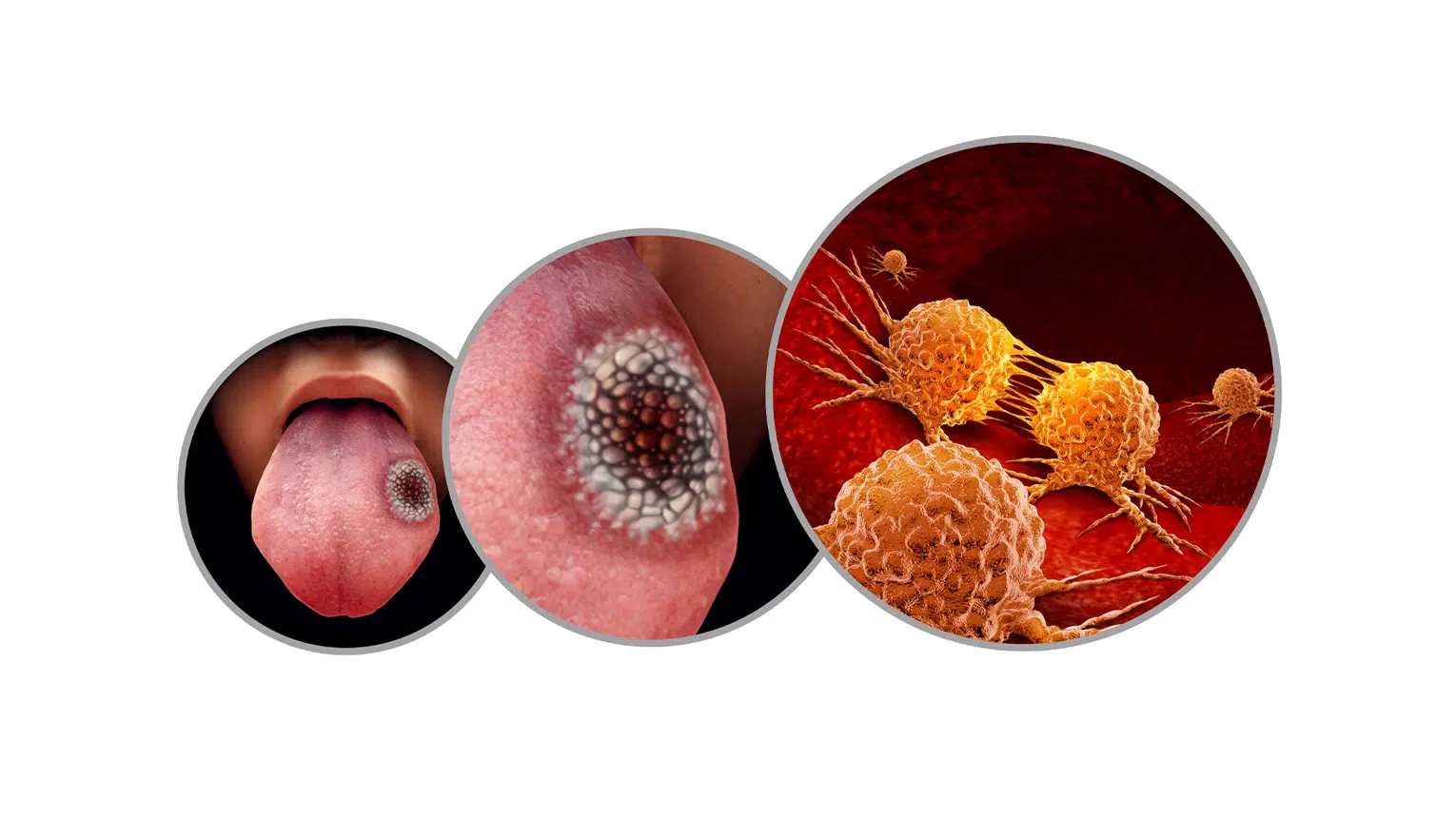
Persistent sores or ulcers in the mouth often signal the first visible sign of oral cancer. These lesions appear as flat, painless, white or red areas that don’t heal within two weeks. They commonly occur on the tongue, lips, or anywhere inside the mouth. Unlike canker sores (which typically heal within 14 days), cancerous ulcers persist and may grow larger over time.
The rate of new cases of oral cavity and pharynx cancer was 11.6 per 100,000 men and women per year in the United States. If you notice any unusual sores in your mouth, especially those lasting more than two weeks, seek professional evaluation immediately. Early detection significantly improves the chances of successful treatment, with the five-year survival rate for localized oral cavity cancer at 85%, according to the National Cancer Institute.
The next sign to watch for involves changes in the color and texture of your mouth’s interior surfaces.
2. Red and White Patches: Warning Signs in Your Mouth
Red and white patches in the mouth can indicate oral cancer and require immediate attention. These patches, called erythroplakia (red) and leukoplakia (white), often appear on the tongue, gums, or cheek lining. While erythroplakia is not harmful most of the time, it’s a potentially precancerous condition. A substantial proportion of cancers (39.6%), including 34% of cancers that occurred within 1 year of a clinical diagnosis of leukoplakia, are associated with these patches.
Persistent patches that last more than two weeks warrant professional evaluation. Early detection significantly improves treatment outcomes, with the American Cancer Society reporting a 5-year survival rate of 88% for localized oral cavity cancer. Regular dental check-ups (at least once a year) play a vital role in identifying these warning signs early. The next section will discuss another potential indicator of oral cancer: unexplained bleeding in the mouth.
3. Unexplained Oral Bleeding: A Potential Red Flag
Unexplained bleeding in the mouth serves as a potential indicator of oral cancer that requires immediate attention. While occasional bleeding during brushing or flossing is common, persistent or frequent bleeding without an apparent cause should not be ignored. The National Institute of Dental and Craniofacial Research reports that approximately 54,000 Americans will be diagnosed with oral cancer in 2022, and about 11,000 people will lose their lives to this disease (emphasizing the importance of recognizing early warning signs).
Patients should monitor the frequency and severity of oral bleeding. Blood in saliva or bleeding gums without provocation warrants close observation. If bleeding persists for more than a week or accompanies other symptoms like difficulty swallowing or persistent sore throat, a prompt evaluation by a dental professional is necessary. Regular dental check-ups and oral cancer screenings significantly improve treatment outcomes.
The next sign to watch for involves changes in your ability to perform everyday oral functions, which can indicate more serious underlying issues.
4. Difficulty Swallowing or Chewing: A Potential Indicator
Persistent trouble with swallowing or chewing can signal oral cancer. The American Cancer Society reports about 59,660 new cases of oral cavity or oropharyngeal cancer each year, highlighting the need for early detection. These symptoms can severely impact daily life and nutrition, potentially leading to weight loss and malnutrition if not addressed promptly.
Patients might experience:
- Pain while eating
- Discomfort when speaking
- Difficulty moving their tongue
If you notice ongoing issues with swallowing or chewing (lasting more than two weeks), it’s time to consult a dental professional. Don’t dismiss these symptoms as temporary inconveniences. Early diagnosis significantly improves treatment outcomes and overall prognosis. The next sign to watch for involves changes in the texture and consistency of your mouth’s tissues, which can indicate more serious underlying issues.
5. Lumps or Thickening in Mouth Tissues
Abnormal growths or thickening in mouth tissues can indicate oral cavity cancer, which starts in the mouth. Oropharyngeal cancer starts in the oropharynx-the middle part of the throat just behind the mouth. These lumps often appear on the lips, gums, cheek lining, or tongue, and feel firm or rubbery when touched. The American Cancer Society provides information about oral cavity and oropharyngeal cancers, including risk factors, symptoms, how they’re found, and how they’re treated. Patients should watch for any unusual bumps or changes in tissue texture that last more than two weeks.
Changes in surrounding tissues, such as color alterations or tenderness, also require attention. The size of concerning lumps varies, but even small growths need examination. Regular dental visits play a vital role in early detection of oral and pharyngeal cancer. Dental professionals use advanced technology to detect early signs of abnormal tissue growth during routine check-ups.
The next sign to watch for involves persistent discomfort in the throat area, which can signal more serious underlying issues.
6. Persistent Sore Throat and Hoarseness: Key Warning Signs
A persistent sore throat or hoarseness that lasts more than two weeks could indicate oral cancer. The American Cancer Society reports these symptoms often occur alongside other signs like difficulty swallowing or ear pain. Patients should monitor any changes in voice quality, such as raspiness or loss of volume. The National Institute on Deafness and Other Communication Disorders emphasizes that voice disorders can occur when voice quality, pitch, and loudness differ or are inappropriate for an individual’s age, gender, cultural background, or geographic location.
Oral cancer can cause inflammation and irritation in the throat, resulting in ongoing soreness and vocal changes. The Centers for Disease Control and Prevention (CDC) recommends medical attention if symptoms persist, particularly when accompanied by:
- Difficulty swallowing
- Trouble breathing
- Persistent ear pain
Regular dental check-ups play a vital role in the early detection of oral health issues, including potential signs of cancer. Thorough oral examinations during routine visits help identify concerning symptoms early on, significantly improving treatment outcomes for oral cancer. The next sign to watch for involves unusual sensations in the mouth or face, which can signal more serious underlying issues.
7. Facial Numbness or Pain as Oral Cancer Indicators
Unexplained numbness or pain in the mouth or face can signal oral cancer. These sensations often affect the lips, tongue, cheeks, or jaw and may last for weeks. The intensity ranges from mild discomfort to severe pain, sometimes described as a burning or tingling feeling. Oral cancer incidence rates indicate that approximately 11.5 adults per 100,000 will develop oral cancer, emphasizing the importance of recognizing these symptoms early.
Persistent numbness or pain in the mouth or face might indicate nerve involvement, a potential sign of advancing oral cancer. The trigeminal nerve, which controls facial sensation, can suffer from tumor effects, resulting in altered sensations or pain. Patients should seek immediate dental evaluation if they experience ongoing numbness or pain in their mouth or face for more than two weeks. Dental professionals use advanced diagnostic tools to examine such symptoms thoroughly, which ensures early detection and prompt treatment if necessary.
The next sign to watch for involves changes in tooth stability, which can point to more serious underlying issues in the oral cavity.
8. Loose Teeth: An Unexpected Warning Sign
Unexplained tooth mobility can signal oral cancer. While loose teeth often result from gum disease or injury, persistent looseness without an apparent reason, especially if paired with pain or swelling, could signal more than a standard dental issue. The American Dental Association notes that cancer therapies can lead to oral complications such as mucositis, opportunistic infections, and salivary gland dysfunction. This may affect the overall oral health, potentially leading to changes in tooth stability or bite alignment.
Gum changes often accompany unexplained loose teeth in oral cancer cases. You might notice:
- Swelling around the affected tooth
- Tenderness in the gum area
- Bleeding gums without provocation
The National Institute of Dental and Craniofacial Research recommends that a comprehensive oral evaluation should take place 1 month before cancer treatment starts to allow adequate time for recovery from any required dental procedures. Regular dental check-ups play a vital role in identifying these subtle yet significant changes in your oral health. The next sign to watch for involves alterations in your speech patterns, which can indicate more serious underlying issues.
9. Vocal Changes as Oral Cancer Warning Signs
Changes in voice or speech patterns can indicate oral cancer. Vocal changes lasting more than two weeks require medical evaluation; these alterations may include:
- Raspy voice
- Difficulty pronouncing words
- Feeling of something stuck in the throat
Such symptoms often occur alongside persistent sore throat, ear pain, or swallowing difficulties, emphasizing the need for professional assessment.
Dr. Anthony Glorioso and the team at Aurora Dental Group use advanced technology to examine the oral cavity and surrounding areas during check-ups. If you notice persistent changes in your voice or speech, schedule an appointment promptly. Early detection improves treatment outcomes significantly. Your voice plays a vital role in your overall health, and unexplained changes warrant immediate attention. The next section will discuss the importance of early detection and regular screenings in combating oral cancer.
Final Thoughts
Recognizing the signs of oral cancer can save lives. Aurora Dental Group prioritizes comprehensive oral health care, including thorough oral cancer screenings during routine examinations. Our team, led by Dr. Anthony Glorioso, uses advanced technology to identify potential issues before they escalate.
Early detection improves treatment outcomes for oral cancer significantly. We encourage our patients to stay vigilant about their oral health and schedule regular check-ups. Our facility in Aurora, IL, offers a wide range of services to ensure your overall oral health and well-being.
If you notice any persistent changes in your mouth or have concerns about your oral health, schedule an appointment with Aurora Dental Group today. Our experienced team (dedicated to providing top-tier dental care) will help you maintain a healthy, beautiful smile for years to come.
Meet the Author

Dr. Anthony Glorioso
Dr. Glorioso provides general and cosmetic dentistry with a focus on comfort and helping patients feel confident in their smiles.
Meet Dr. GloriosoRelated Posts
9 Signs of Oral Cancer to Look Out For
Identify early signs of oral cancer, understand symptoms, and act promptly to protect your health with practical insights from Aurora Dental Group.
9 Signs of Oral Cancer to Look Out For
Explore the benefits of Invisalign for a clearer smile. Discover how this treatment aligns teeth comfortably and effectively without traditional braces.

9 Signs of Oral Cancer to Look Out For
Oral cancer is estimated to affect around 54,540 Americans yearly and can silently advance and become life-threatening if not detected and treated early. With a growing awareness of its prevalence, it’s essential to understand the importance of early diagnosis through regular oral…
