

Dental Implant Recovery: Tips for a Smooth Healing Process
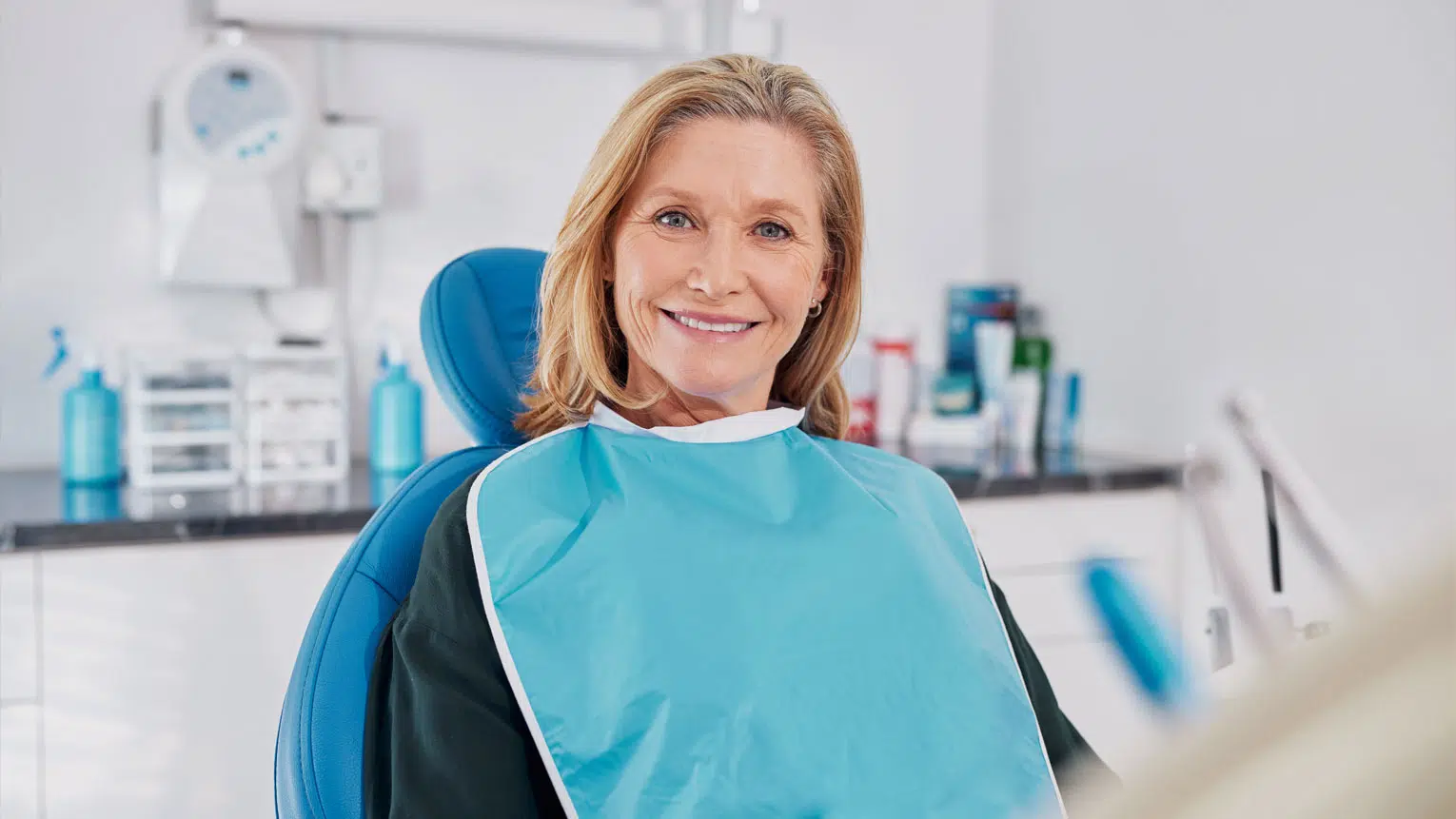




Dental implant surgery marks the beginning of a transformative journey toward a complete, healthy smile. The success of your new implant depends heavily on how well you follow recovery protocols during the healing period.
We at Aurora Dental Group have guided thousands of patients through successful dental implant recovery. Following proven recovery strategies can reduce complications by up to 85% and accelerate your healing timeline significantly.
What Should You Do in the First 48 Hours After Surgery?
Managing Pain and Swelling Immediately After Surgery
Take your first pain medication before the local anesthetic wears off. Preemptive analgesia may have a positive effect in reducing pain compared to not using preemptive medication. Use ibuprofen 600-800mg every 6 hours combined with acetaminophen 1000mg every 8 hours for optimal results.
Apply ice packs for 15 minutes on, 15 minutes off during the first 48 hours. Cold compressions have equal effect to compression alone in reducing pain after oral surgery. Never apply ice directly to skin – wrap it in a thin towel. After 48 hours, switch to warm compresses to promote blood flow and healing.
Oral Hygiene Without Disrupting the Surgical Site
Start gentle saltwater rinses 24 hours after surgery with one teaspoon of salt in eight ounces of warm water. Rinse 4-5 times daily, especially after meals. Avoid vigorous swishing that could dislodge blood clots.
Use the prescribed antimicrobial mouthwash like Peridex three times daily starting the day after surgery. Clean healing abutments gently with a cotton swab dipped in the prescribed rinse. Skip electric toothbrushes and water flossers for at least two weeks (these devices create too much pressure around the surgical site).
Critical Food Choices for Optimal Healing
Stick to completely liquid meals for the first 48 hours. Choose protein-rich smoothies with Greek yogurt, soft scrambled eggs, and lukewarm broths. Avoid citrus fruits in smoothies – their acidity can irritate the surgical site and delay healing.
Room temperature or slightly warm foods work best. Hard, crunchy, sticky, or spicy foods can damage the surgical area and increase infection risk. Drink at least eight glasses of water daily to flush toxins and support tissue repair. Avoid alcohol completely for 72 hours as it interferes with blood clotting and medication effectiveness.
Activity Restrictions That Protect Your Investment
Limit physical activities for the first week after surgery. Vigorous exercise increases blood pressure and can cause bleeding at the implant site. Light walking helps circulation without straining the surgical area.
Sleep with your head elevated on extra pillows for the first three nights. This position reduces facial swelling and promotes better drainage. Avoid bending over or lifting objects heavier than 10 pounds during the initial healing phase.
The foundation you build in these first 48 hours sets the stage for successful long-term recovery and osseointegration over 4-6 months.
How Do You Navigate the Critical 4-6 Month Healing Phase?
Protect Osseointegration Through Strategic Oral Care
The osseointegration phase demands meticulous attention to oral hygiene without compromising the healing implant. Switch to an extra-soft toothbrush after two weeks and brush at a 45-degree angle toward the gum line. Use gentle circular motions around the implant area – aggressive brushing disrupts bone formation. Studies from the Journal of Clinical Periodontology show that patients who maintain consistent oral hygiene during osseointegration achieve 92.5% implant success rates compared to 78% for those with poor hygiene habits.
Continue antimicrobial rinses for at least six weeks or until your dentist confirms complete initial healing. Add an alcohol-free fluoride rinse twice daily to strengthen surrounding teeth and prevent decay that could compromise your investment. Water flossers become safe after four weeks (but use the lowest pressure setting initially).
Make Smart Lifestyle Adjustments That Accelerate Bone Integration
Smoking cessation remains non-negotiable during the entire osseointegration period. Nicotine reduces blood flow by up to 40% and significantly impairs bone formation around implants. The American Academy of Periodontology reports that smokers face 140% higher risk of implant failure than non-smokers. If you cannot quit completely, reduce consumption to fewer than five cigarettes daily and avoid smoking for at least two hours before and after meals.
Calcium and vitamin D supplementation supports bone integration. Take 1200mg calcium citrate with 1000 IU vitamin D3 daily unless contraindicated by your physician. Protein intake should reach 1.2 grams per kilogram of body weight to provide building blocks for tissue repair.
Recognize Normal Healing Versus Concerning Symptoms
Normal healing includes mild tenderness that gradually decreases over 7-10 days, slight swelling that peaks at 48-72 hours, and minor bleeding for 24-48 hours. The implant site should feel stable when you touch it gently with your tongue after one week.
Warning signs require immediate dental attention: implant mobility, persistent throbbing pain after one week, fever above 101°F, pus discharge, or swelling that increases after day three. Any looseness indicates potential osseointegration failure and demands prompt evaluation. Dental implants report 92.8-97.1% survival rates but can be prone to peri-implantitis during a patient’s lifetime.
Even with perfect care, some patients encounter specific challenges that require professional guidance and proven solutions to maintain their recovery progress.
What Recovery Complications Should You Watch For
Dry Socket Prevention Requires Immediate Action
Dry socket occurs when blood clots dislodge from extraction sites, exposing bone and nerves to air and food particles. This complication affects tooth extractions, but dental implant patients face lower risk due to different surgical techniques.
Avoid straws, tobacco, or vigorous mouth movements for at least 72 hours after surgery. The suction from straws creates negative pressure that pulls blood clots from healing sites. Forceful spitting or aggressive rinsing produces similar disruptive effects.
Sudden, severe throbbing pain 3-4 days post-surgery accompanied by bad breath or visible bone in the socket requires immediate dental attention. Treatment involves medicated dressing changes every 24-48 hours until new tissue forms.
Infection Prevention Demands Consistent Vigilance
Peri-implantitis affects a significant percentage of patients after implant placement, making infection prevention your highest priority during recovery. Bacteria accumulate around healing abutments within hours if oral hygiene lapses.
Clean healing caps three times daily with prescribed antimicrobial rinse applied via cotton swab. Never skip this step even when tired or rushed. Temperature above 101°F, persistent metallic taste, or pus discharge signals active infection that requires immediate antibiotic intervention.
Diabetic patients face higher infection rates and need blood glucose levels below 150 mg/dL during healing. Stop taking aspirin or blood thinners only with physician approval (bleeding complications create infection pathways).
Implant Mobility Indicates Osseointegration Failure
Any movement in your implant during the first six months signals osseointegration problems that require urgent evaluation. Healthy implants remain completely rigid when touched with your tongue or finger.
Early mobility affects a small percentage of cases and often results from inadequate bone density, tobacco use, or premature loading. Contact your dental team within 24 hours if you detect any looseness – delayed treatment reduces salvage success rates significantly.
Failed implants require removal, bone grafting, and 3-4 month healing periods before replacement attempts (this process significantly extends your treatment timeline and increases costs).
Supporting Long-Term Implant Success
Your dental implant recovery timeline spans 4-6 months for complete osseointegration, with initial healing occurring within 7-14 days. Most patients return to normal activities after one week, though full bone integration requires patience and consistent care. Contact your dental professional immediately if you experience implant mobility, persistent pain beyond one week, fever above 101°F, or unusual discharge.
These symptoms require prompt evaluation to prevent complications that could compromise your investment. Proper recovery protocols reduce complications by up to 85% and significantly improve long-term success rates. Patients who maintain proper oral hygiene, avoid smoking, and attend follow-up appointments achieve implant survival rates exceeding 95% over 10 years.
We at Aurora Dental Group provide comprehensive implant care with advanced technology in a comfortable, family-like atmosphere. Our team guides patients through every stage of dental implant recovery with expert care that reduces dental anxiety. Your commitment to proper recovery protocols today determines the longevity and function of your new smile for decades to come (making this investment worthwhile for your oral health).
Meet the Author

Dr. Anthony Glorioso
Dr. Glorioso provides general and cosmetic dentistry with a focus on comfort and helping patients feel confident in their smiles.
Meet Dr. GloriosoRelated Posts
Dental Implant Recovery: Tips for a Smooth Healing Process
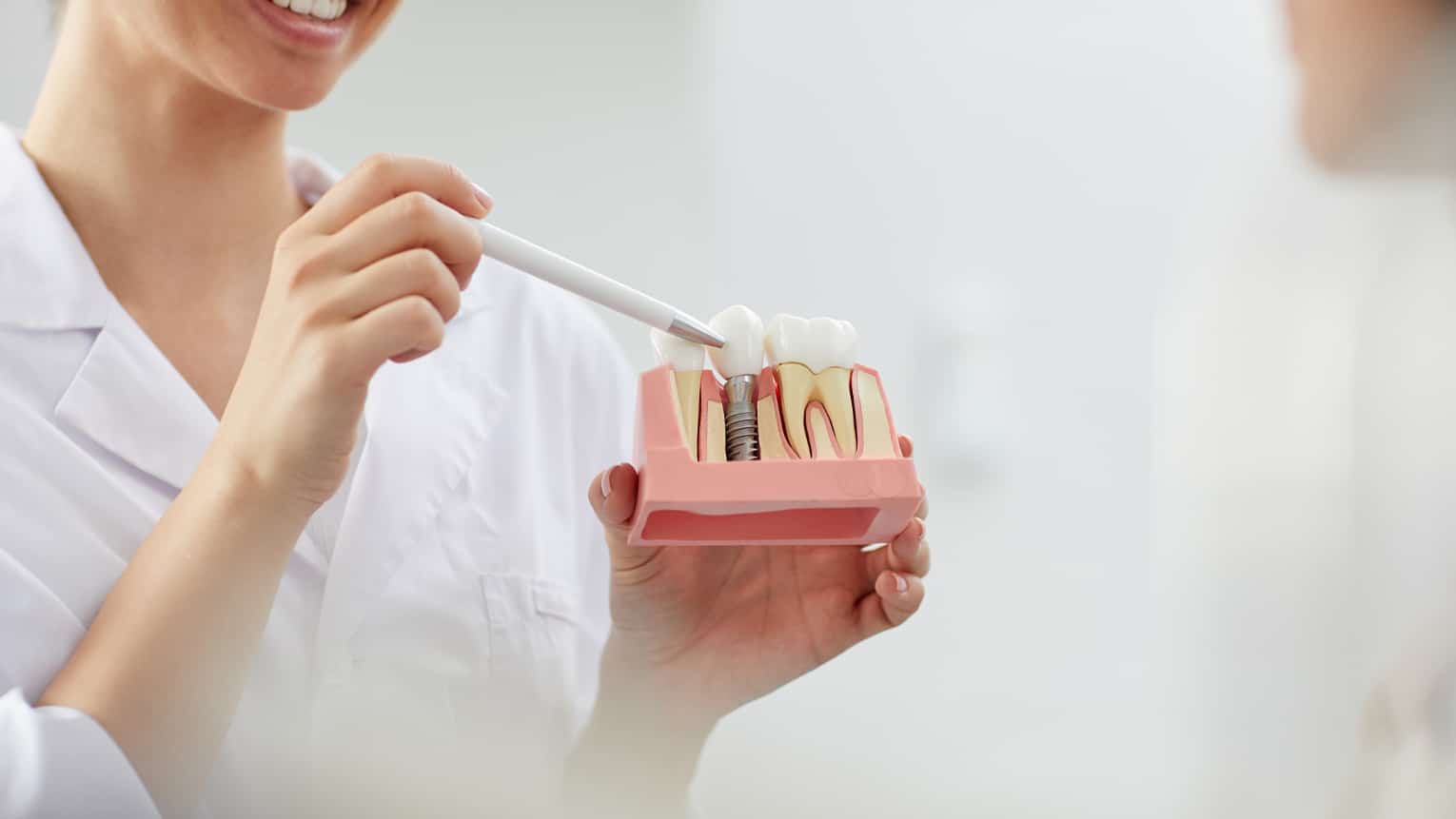
Explore types of dental implants, benefits, and costs. Find the right implant for you with expert insights and practical tips from Aurora Dental Group.
Dental Implant Recovery: Tips for a Smooth Healing Process
Uncover the truth: Are dental implants painful? Learn about recovery, pain management, and what to expect post-surgery at Aurora Dental Group.
Dental Implant Recovery: Tips for a Smooth Healing Process
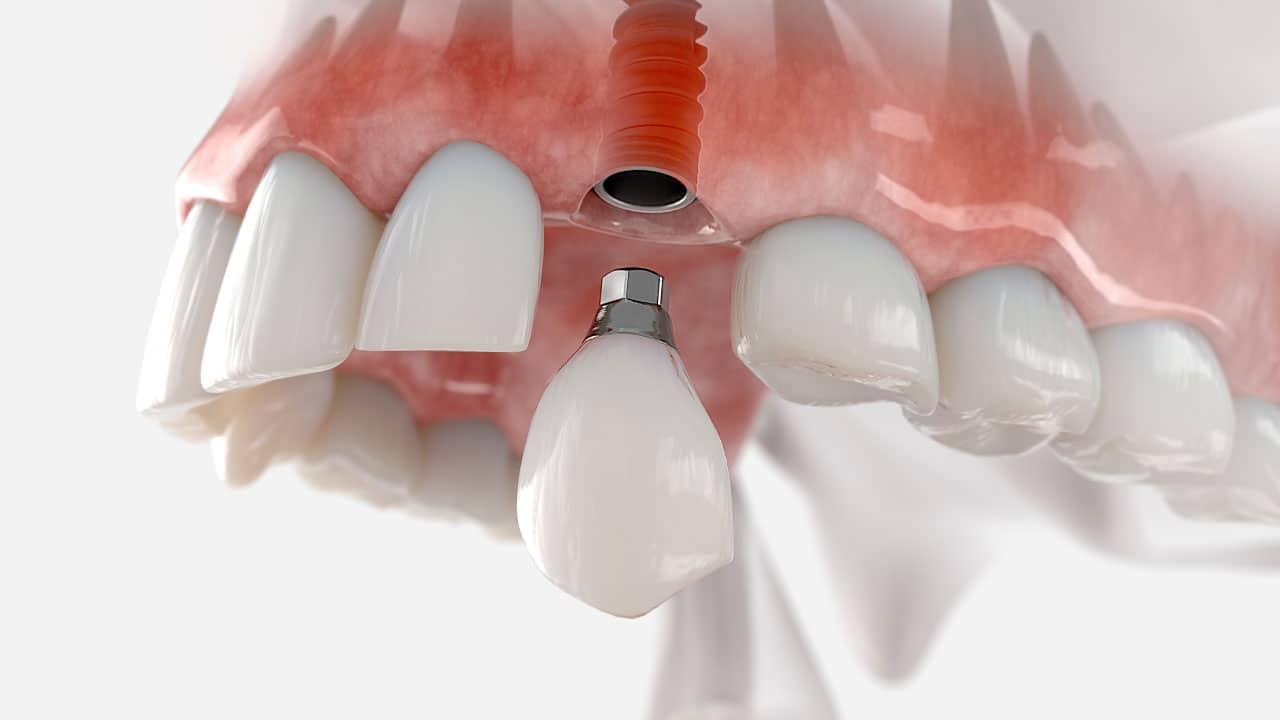
Dental implants have come a long way from their ancient origins, thanks to continuous innovations that improve their effectiveness and accessibility. From advanced imaging techniques to new materials and minimally invasive digital procedures, these advancements are revolutionizing how dentists approach tooth replacement.…
