

Early Signs of Oral Cancer You Shouldn’t Ignore
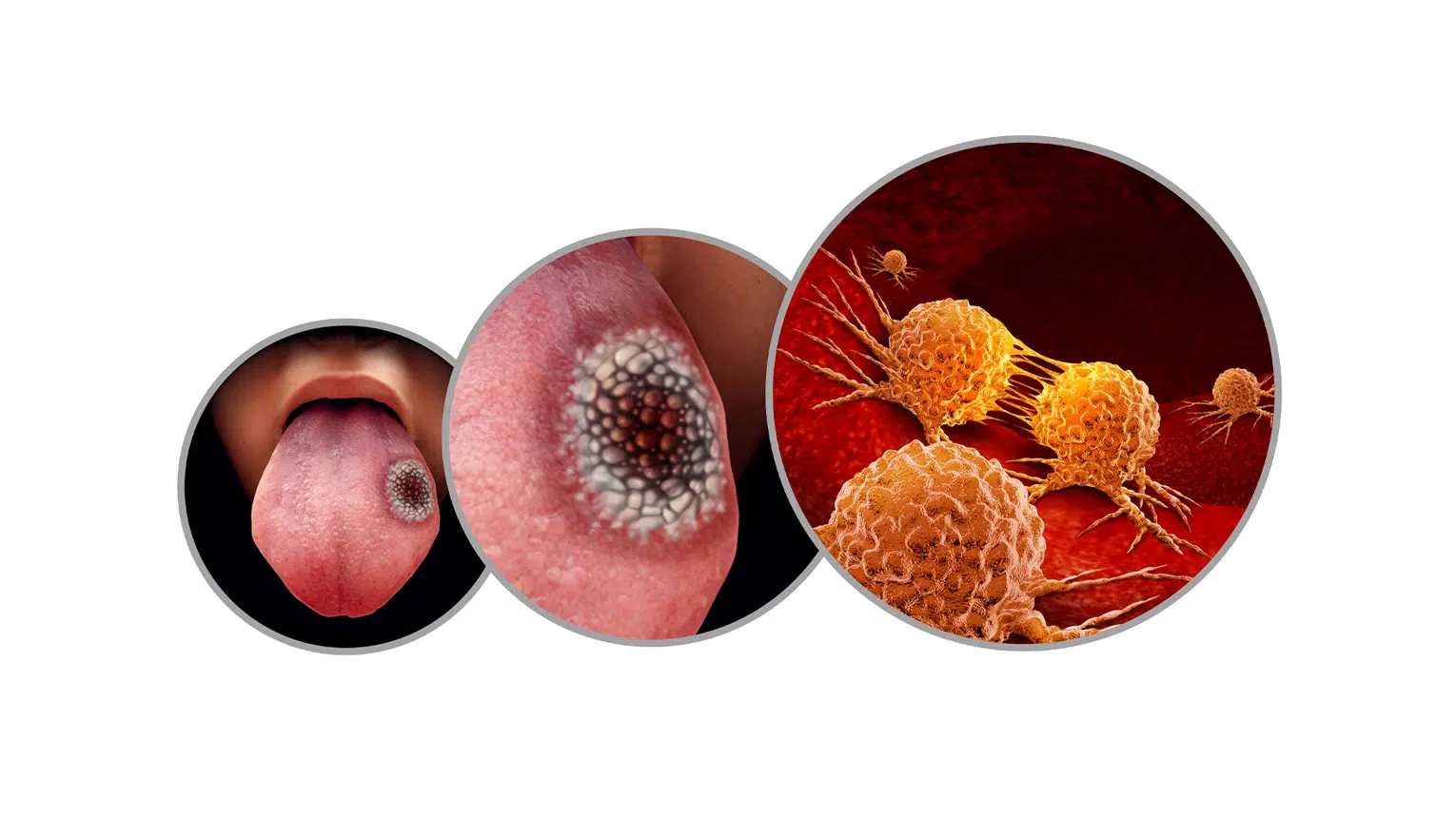




Oral cancer affects over 54,000 Americans annually, yet many cases go undetected until advanced stages. Recognizing early signs of oral cancer can mean the difference between a simple treatment and a life-threatening diagnosis.
We at Aurora Dental Group see patients daily who could benefit from knowing these warning signs. Most oral cancers develop gradually, making early detection both possible and vital for successful treatment outcomes.
Visual Signs and Symptoms to Watch For
Persistent Mouth Sores Signal Serious Problems
Non-healing mouth sores represent the most telling early warning sign of oral cancer. The American Cancer Society reports that mouth sores may take 2 to 4 weeks to fully heal after treatment ends. Normal mouth injuries heal within 7-10 days, making persistent ulcers a red flag that demands attention.
These sores often appear painless initially, which leads many patients to dismiss them. The Oral Cancer Foundation emphasizes that painless sores pose greater concern than painful ones, as malignant lesions frequently develop without discomfort in early stages.
White and Red Patches Demand Immediate Action
Leukoplakia appears as white patches that cannot be scraped off, while erythroplakia presents as red, velvety patches. The National Institute of Dental and Craniofacial Research identifies erythroplakia as particularly dangerous, with these lesions showing precancerous or cancerous changes upon biopsy.
Mixed red and white patches carry the highest risk, often indicating advanced cellular changes. These patches typically develop on the tongue, floor of the mouth, or inside the cheeks. Texture changes accompany color variations – affected areas may feel rough, thick, or hardened compared to surrounding tissue.
Unexplained Bleeding Requires Professional Assessment
Spontaneous mouth bleeding without injury indicates serious underlying problems. This bleeding often occurs during routine activities like brushing teeth or eating soft foods (even yogurt or soup). The bleeding may appear minimal but persists over several days or weeks.
Blood in saliva, particularly upon waking, signals potential malignancy. Patients often attribute this bleeding to gum disease, but oral cancer bleeding presents differently – it occurs in areas without obvious dental problems and continues despite improved oral hygiene practices.
These visual symptoms often appear alongside physical changes that affect daily activities like eating and speaking.
Physical Changes and Discomfort
Swallowing Problems Point to Advanced Changes
Dysphagia, or difficulty swallowing, affects oral cancer patients and often signals tumor growth near the throat or tongue base. The American Cancer Society reports that swallowing difficulties typically worsen progressively, starting with solid foods and advancing to liquids. Persistent sore throat that lasts beyond three weeks without cold or flu symptoms indicates potential malignancy, particularly when voice changes or hoarseness accompany it.
Patients frequently describe the sensation as food that gets stuck or requires extra effort to swallow. This symptom differs from temporary throat irritation – oral cancer-related swallowing problems persist daily and interfere with normal eating patterns. Weight loss often follows as patients unconsciously avoid foods that cause discomfort.
Numbness Reveals Nerve Involvement
Unexplained numbness in the mouth, lips, or jaw indicates nerve compression from tumors that grow larger. Research identifies this symptom as particularly concerning because healthy oral tissues maintain constant sensation. Numbness typically begins in one specific area and may spread gradually to adjacent regions.
Jaw pain without dental problems suggests deeper tissue involvement. Patients often mistake this pain for temporomandibular joint disorders, which delays proper diagnosis. The pain may worsen during chewing or speaking, and over-the-counter pain medications provide minimal relief (even strong formulations like ibuprofen 800mg).
Dental Changes Signal Underlying Problems
Loose teeth without gum disease indicate bone involvement from oral cancer. Research shows that patients experience dental mobility as tumors infiltrate jawbone structures. Bite alignment changes occur when tumors affect jaw positioning or when bone destruction alters tooth support.
These dental symptoms appear suddenly and progress rapidly, unlike gradual changes from aging or normal wear. Patients notice difficulty chewing on one side or changes in how their teeth fit together when they close their mouth (particularly noticeable during morning jaw clenching).
Understanding these physical warning signs becomes even more important when you consider the specific risk factors that make certain individuals more vulnerable to oral cancer development.
Risk Factors That Increase Your Chances
Tobacco Use Dominates Cancer Statistics
Tobacco users face the highest oral cancer risk, with tobacco use being widely considered a major risk factor alongside alcohol consumption. Smokeless tobacco users actually face greater danger than cigarette smokers – chewing tobacco and snuff contain 28 known carcinogens that make direct contact with oral tissues for extended periods.
Heavy alcohol consumption multiplies this risk dramatically. The National Institute on Alcohol Abuse and Alcoholism shows that people who combine tobacco and alcohol increase their oral cancer risk by 15 times compared to non-users. This combination creates a perfect storm for cellular damage in mouth tissues.
HPV Infection Changes Patient Demographics
Human papillomavirus, particularly types 16 and 18, now causes 70 percent of oropharyngeal cancers according to recent research. This viral cause creates a completely different patient demographic – younger adults in their 30s and 40s who never used tobacco or alcohol heavily.
The American Cancer Society reports that HPV-related oral cancers develop in throat tissues and other areas that patients cannot easily examine themselves. These cancers often remain undetected longer because affected individuals do not fit traditional risk profiles and symptoms appear in hard-to-see locations.
Age and Gender Patterns Show Clear Trends
The lifetime risk of developing oral cavity and oropharyngeal cancer is about 1 in 59 for men and 1 in 139 for women. Incidence rates are higher in women than in men before age 50, but thereafter are much higher in men.
Family history doubles your risk even without other factors, which indicates genetic predisposition plays a significant role. Individuals with compromised immune systems from conditions like HIV or immunosuppressive medications face elevated risks regardless of age or gender.
Diet and Lifestyle Factors Matter
Poor nutrition increases oral cancer risk substantially. People who consume diets low in fruits and vegetables lack protective antioxidants that help prevent cellular damage. Sun exposure also contributes to lip cancer development, particularly in outdoor workers and athletes who spend extensive time in direct sunlight without protection.
Why Early Detection Matters
Regular oral cancer screenings save lives through early detection when treatment success rates reach 84 percent for localized cases. The American Cancer Society data shows that survival rates drop significantly when diagnosis occurs in advanced stages. Routine dental visits provide your strongest defense against this disease.
Schedule an appointment immediately if you experience any early signs of oral cancer that last more than two weeks. These symptoms include persistent mouth sores, unexplained bleeding, white or red patches, difficulty swallowing, or numbness in oral tissues. Waiting longer reduces treatment options and worsens outcomes substantially.
We at Aurora Dental Group provide comprehensive oral cancer screenings during routine visits to identify suspicious areas that require further evaluation. Early detection transforms oral cancer from a potentially fatal disease into a manageable condition (patients diagnosed in early stages often require less invasive treatments). Your vigilance combined with professional screenings creates the best possible outcome for your oral health.
Meet the Author

Dr. Anthony Glorioso
Dr. Glorioso provides general and cosmetic dentistry with a focus on comfort and helping patients feel confident in their smiles.
Meet Dr. GloriosoRelated Posts
Early Signs of Oral Cancer You Shouldn’t Ignore
Explore the benefits of Invisalign for a clearer smile. Discover how this treatment aligns teeth comfortably and effectively without traditional braces.

Early Signs of Oral Cancer You Shouldn’t Ignore
Spot oral cancer signs early with 9 key symptoms. Visit Aurora Dental Group for professional guidance and protect your health.

Early Signs of Oral Cancer You Shouldn’t Ignore
Oral cancer is estimated to affect around 54,540 Americans yearly and can silently advance and become life-threatening if not detected and treated early. With a growing awareness of its prevalence, it’s essential to understand the importance of early diagnosis through regular oral…
