

A Filling Fell Out: What to Do Next
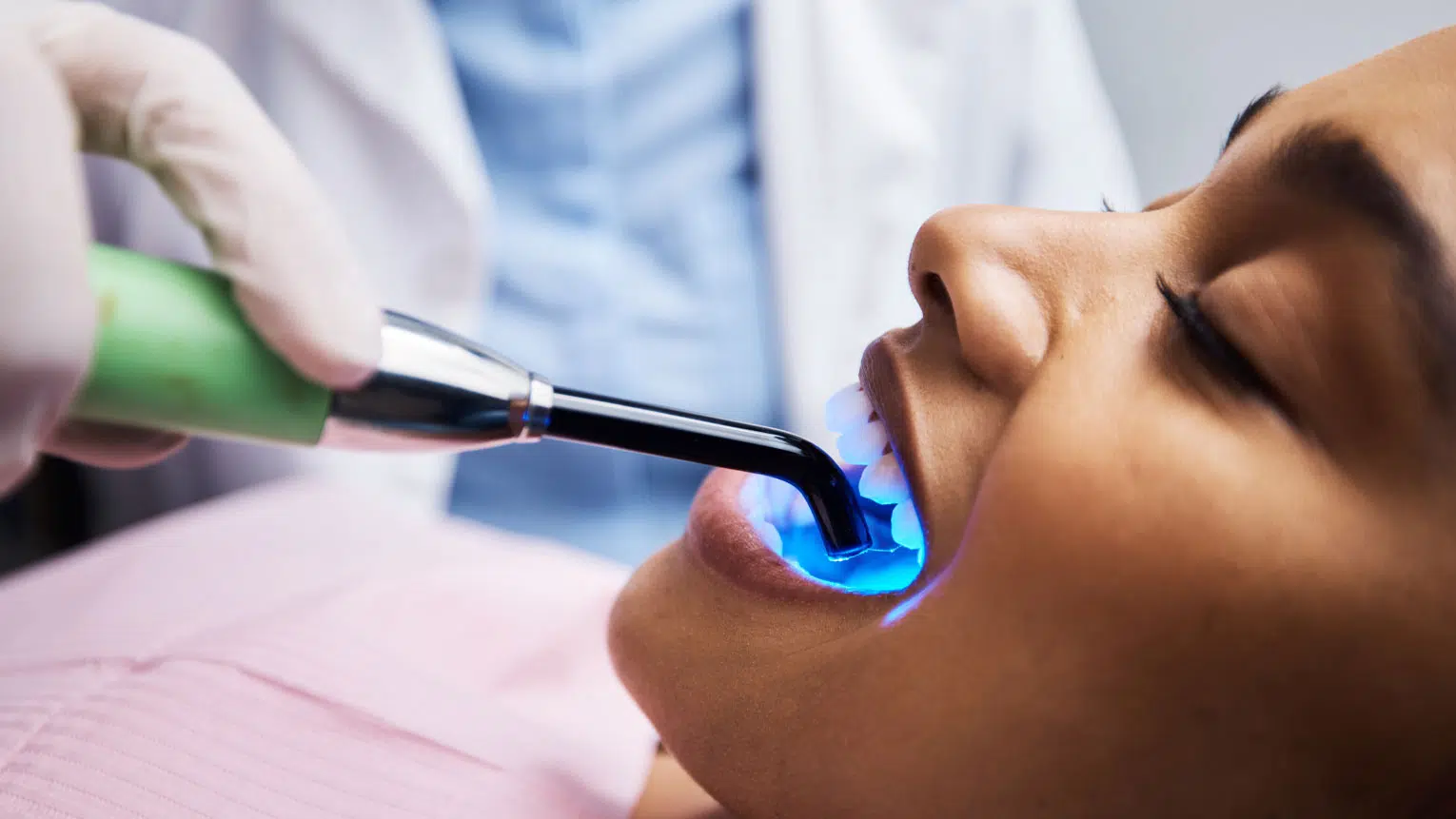




If a filling falls out, contact a dentist for an evaluation, even if the tooth does not hurt. Call Aurora Dental Group at (630) 896-7354 and describe what happened. Until you receive advice, keep the area clean and avoid biting hard food with that tooth.
Seek emergency medical care now if swelling makes it hard to breathe, swallow, or speak, or if swelling affects the area around your eye or neck. Do not wait for an online appointment request to be answered. These warning signs are included in NHS toothache guidance.
Whether you notice the missing filling during a Halloween snack or an ordinary lunch, the next step is the same: describe what happened and get guidance about having the tooth checked.
Call the dental office and describe your symptoms
If you are unsure whether a piece of filling, tooth, or crown came loose, say that when you call. You do not need to identify the problem perfectly. Tell the office what you noticed, which tooth seems affected, and whether you have pain or swelling.
If you are calling after hours, listen for instructions about urgent concerns. If you cannot reach your usual dentist and symptoms need urgent attention, seek an available urgent dental provider. Do not assume an online request has secured a visit.
When you call, have these details ready:
- When you first noticed the missing piece or a change in the tooth.
- Whether discomfort is constant or happens with biting, heat, or cold.
- Whether your gum, cheek, or jaw is swollen.
- Whether you have a fever, bad taste, or trouble opening your mouth.
- Whether the change followed a blow to the mouth or another injury.
The ADA’s dental emergency guidance recommends calling your dentist and giving as much detail as possible. Clear details help the office assess the next step; they do not replace an examination.
Know which symptoms need faster attention
A lost filling does not automatically mean you have an infection. However, intense pain, facial or jaw swelling, fever, or a bad taste may need urgent dental assessment. Tell the dental team about these symptoms instead of waiting for a routine visit.
A dental abscess is a collection of pus caused by infection and requires urgent dental treatment. You cannot confirm or rule one out by looking in a mirror. The NHS lists these symptoms in its dental abscess guidance.
Get emergency medical help for trouble breathing, speaking, or swallowing, significant swelling inside the mouth, eye swelling or vision changes, or marked difficulty opening your mouth. These symptoms should take priority over trying to arrange an ordinary dental appointment.
Protect the tooth while you wait for care
While arranging dental care, follow these steps. NHS guidance for a lost filling or crown supports the cleaning and food precautions below.
- Keep brushing. Use fluoride toothpaste twice a day and be gentle around the affected area.
- Choose food you can eat comfortably. Avoid biting hard foods with the damaged tooth. If chewing hurts, softer foods may be easier while you seek care.
- Notice temperature triggers. Skip very hot or cold foods and drinks if they make the tooth sensitive.
- Ask about pain relief if you need it. A pharmacist or dentist can advise on an over-the-counter option appropriate for you. Follow its directions.
A rinse with warm water can help clean the mouth when a tooth aches. Do not place aspirin directly on the tooth or gum, and do not use sharp objects to dig out trapped food. These precautions come from the ADA’s emergency guidance.
What might the dentist recommend?
The dentist will examine the tooth and discuss treatment options. NHS guidance describes possibilities including a temporary repair, a new filling, or a crown. More involved treatment may be needed in some cases. Finding a missing filling does not by itself determine which option is appropriate.
Aurora Dental Group’s tooth repair page and emergency exams and X-rays page explain the related services. Useful questions for the visit include:
- What did the examination show about this tooth?
- Is the proposed repair temporary or intended as the longer-term treatment?
- What should I avoid until treatment is complete?
- Which symptoms should lead me to contact the office again?
A dental examination is the next step toward understanding what the tooth needs. Follow the instructions you receive, and report new or worsening symptoms rather than waiting quietly for your visit.
Sources
- NHS 111 Wales: Lost Filling or Crown
- ADA MouthHealthy: Dental Emergencies
- NHS: Toothache
- NHS: Dental Abscess
Meet the Author

Dr. Anthony Glorioso
Dr. Glorioso provides general and cosmetic dentistry with a focus on comfort and helping patients feel confident in their smiles.
Meet Dr. GloriosoRelated Posts

5 Symptoms of a Cracked Tooth
Cracks in the teeth range in severity, from mild and unnoticeable to severe. In some cases, the pain from a cracked tooth can be unbearable, which indicates a dental emergency. While fracturing a tooth can result in aesthetic issues, it can also…
Teeth Sensitivity: Why You Have it and How to Get Rid of It
Do you feel a sharp pain in your mouth whenever you eat ice cream or a hot cup of soup? Do your teeth sting every time you brush your teeth? If so, you may be one in the 40 million Americans that…
Dental Emergencies: The Do’s and Don’ts of Injury-Related Tooth Loss
You sit in the stands, cheering your child on during his Little League playoff game. You brace yourself as the opponent’s best batter steps up to the plate and hits a line drive that heads right toward your child positioned at shortstop.…
