

Gum Disease Treatment Options for a Healthier Mouth
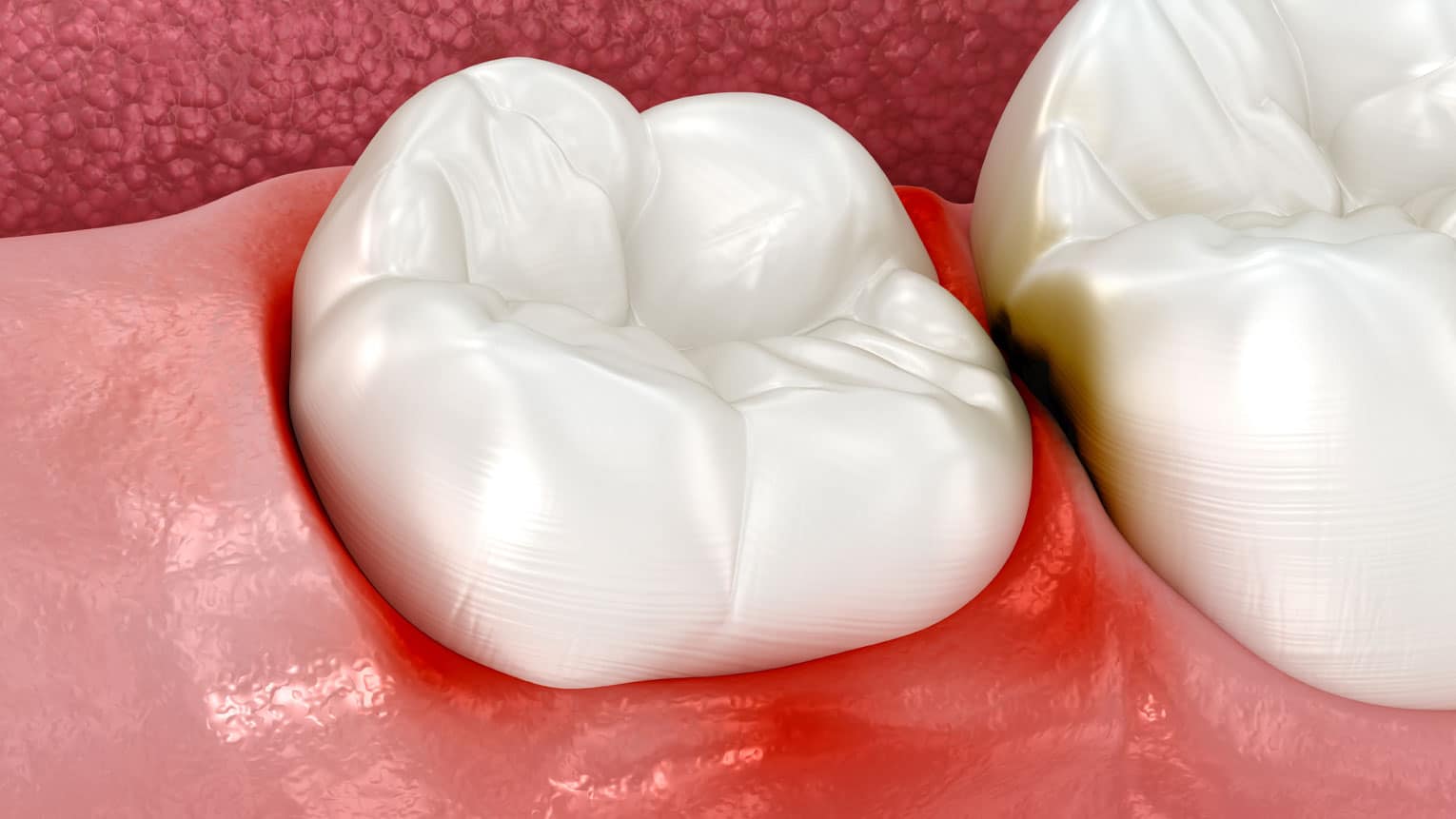




Gum disease affects millions of people worldwide, often silently progressing without noticeable symptoms. At Aurora Dental Group, we’ve seen firsthand how this condition can impact oral health and overall well-being.
Fortunately, there are numerous gum disease treatment options available today, ranging from non-surgical interventions to advanced surgical procedures. In this post, we’ll explore these treatments and help you understand how to achieve a healthier mouth.
What Is Gum Disease?
Understanding Periodontal Disease
Gum disease, also known as periodontal disease, is a common oral health condition that affects the tissues supporting your teeth. This progressive disease can silently damage oral health if left untreated.
The Two Main Stages
Gum disease typically develops in two main stages:
- Gingivitis: This earliest stage involves inflammation of the gums. Your gums may appear red, swollen, and bleed easily when brushing or flossing. Gingivitis is reversible with proper oral hygiene and professional cleaning.
- Periodontitis: If gingivitis progresses, it can lead to periodontitis. This more severe stage destroys the bone and connective tissues that hold your teeth in place. Periodontitis can result in tooth loss if not addressed promptly.
Identifying the Symptoms
Early detection plays a key role in effective treatment. Common symptoms of gum disease include:
- Persistent bad breath
- Red, swollen, or tender gums
- Bleeding gums during brushing or flossing
- Receding gums
- Loose or shifting teeth
- Changes in bite or fit of partial dentures
If you notice any of these signs, schedule an appointment with a dental professional immediately.
Common Risk Factors
Several factors can increase your risk of developing gum disease:
- Poor oral hygiene
- Smoking or tobacco use
- Diabetes
- Hormonal changes (pregnancy, menopause)
- Certain medications
- Genetic predisposition
- Stress
The Centers for Disease Control and Prevention reports that about 4 in 10 U.S. adults 30 years or older had a mild, moderate, or severe level of periodontitis in 2009–2014. This prevalence increases with age, affecting about 1 in 2 men and 1 in 3 women.
The Value of Early Intervention
Early detection of gum disease can prevent its progression and save you from more invasive and costly treatments in the future. One of the most important benefits is the ability to preserve your natural teeth. Regular dental check-ups (at least twice a year) are essential for early detection and prevention.
Advanced diagnostic tools help identify gum disease in its earliest stages. Comprehensive exams include interactive periodontal probing, a method used to measure pocket depths around a tooth and establish a patient’s state of health.
Healthy gums form the foundation of a healthy mouth. Understanding gum disease and its risk factors allows you to take proactive steps to maintain your oral health and overall well-being. The next section will explore various non-surgical treatment options available for managing gum disease effectively.
How Non-Surgical Treatments Combat Gum Disease
Professional Dental Cleaning: Scaling and Root Planing
At the core of non-surgical gum disease treatment lies a deep cleaning procedure called scaling and root planing. This intensive process targets the root cause of gum disease, surpassing a standard dental cleaning in thoroughness and effectiveness.
Scaling and root planing (SRP) has been identified in two systematic reviews as an effective treatment for periodontal health. Scaling involves the removal of plaque and tartar (calculus) from above and below the gum line using specialized tools. Root planing follows, where tooth roots undergo smoothing to remove infected tooth structure and promote gum reattachment to the teeth.
Depending on the disease’s extent, this procedure can occur in one or more visits.
Antibiotic Therapy: Targeting Harmful Bacteria
When scaling and root planing alone prove insufficient to combat stubborn bacteria, antibiotic therapy steps in. Options include:
- Oral antibiotics: A course typically controls bacterial infection.
- Topical antibiotics: Applied directly to affected areas, these can include antibiotic mouth rinses or gel containing an antibiotic placed into gum pockets.
- Antibiotic mouth rinses: Used at home to help control plaque and gingivitis.
At-Home Oral Hygiene: Your First Line of Defense
While professional treatments play a vital role, your daily oral care routine forms the foundation of gum disease management. Consider these practical tips:
- Brush thoroughly twice daily for at least two minutes each time. Use a soft-bristled toothbrush and fluoride toothpaste.
- Floss daily to remove plaque between teeth (where your toothbrush can’t reach).
- Use an antiseptic mouthwash to reduce plaque and fight gingivitis.
- Consider an electric toothbrush. Some reports indicate that electric toothbrushes may be superior to manual brushes in terms of removing plaque and improving gingival health.
- Replace your toothbrush or electric toothbrush head every three to four months (or sooner if bristles become frayed).
The American Dental Association recommends brushing twice a day and flossing once daily for optimal oral health. Consistency proves key in maintaining healthy gums and preventing the progression of gum disease.
While non-surgical treatments often suffice for early-stage gum disease, advanced cases may require more intensive interventions. In the next section, we’ll explore surgical options for treating severe periodontal disease and restoring oral health.
Probiotics can significantly improve gum health, offering another potential avenue for non-surgical gum disease management.
Advanced Surgical Interventions for Severe Gum Disease
Flap Surgery: Accessing Deep Pockets
Flap surgery (also known as pocket reduction surgery) treats advanced periodontitis effectively. This procedure involves lifting the gum tissue back to expose the roots for thorough cleaning and smoothing. It eliminates bacteria and calculus from deep pockets, reduces their depth, and simplifies at-home cleaning.
Flap surgery may be used with osseous surgery to achieve minimal interdental thickness and maximized probing depth reduction. Patients typically recover within a few weeks and return to normal activities in a day or two.
Regenerative Procedures: Rebuilding Lost Tissue
Patients who have experienced significant bone and tissue loss due to gum disease can benefit from regenerative procedures. These surgeries stimulate the growth of new bone and gum tissue.
Bone grafting is one such procedure. It involves placing natural or synthetic bone in areas where periodontal disease has destroyed the jawbone. Bone grafts can be effective in treating periodontal osseous defects, as indicated by systematic reviews.
Guided tissue regeneration (GTR) offers another regenerative option. This procedure inserts a small piece of mesh-like fabric between the bone and gum tissue. The barrier encourages bone growth while preventing gum tissue from interfering with the healing process.
Soft Tissue Grafts: Addressing Gum Recession
Gum recession, a common consequence of periodontal disease, can lead to exposed tooth roots and increased sensitivity. Soft tissue grafts address this issue by taking gum tissue from one area of the mouth (often the palate) and attaching it to the affected area.
Recent studies have shown that success rates for gingival grafts can vary widely, ranging from 11% to 53%. This procedure not only improves smile appearance but also protects vulnerable tooth roots from decay and further recession.
Patient Comfort and Advanced Techniques
The prospect of gum surgery can intimidate many patients. However, modern dental practices prioritize patient comfort and use the latest techniques to minimize discomfort and recovery time. Dental professionals thoroughly explain each procedure, ensuring patients are fully informed and comfortable with their treatment plan.
Importance of Prevention
While surgical interventions can effectively treat severe gum disease, prevention remains the best strategy. Regular dental check-ups, professional cleanings, and diligent at-home oral care play a vital role in maintaining gum health and avoiding the need for invasive procedures.
Final Thoughts
Gum disease treatment stands as a cornerstone of oral health maintenance. Regular dental check-ups enable early detection and intervention, which can prevent the need for more invasive procedures. Research has established links between periodontal disease and systemic health issues, highlighting the importance of maintaining healthy gums.
We at Aurora Dental Group offer comprehensive gum care using advanced technology and patient-centered approaches. Our board-certified dentist, Dr. Anthony Glorioso, leads a team dedicated to creating a welcoming atmosphere that puts patients at ease. We provide a range of services, from preventive care to advanced treatments, tailoring our approach to each patient’s unique needs.
Our focus on education empowers patients to take an active role in their oral health journey. We believe that informed patients (those who understand their treatment options) can better maintain healthy gums and prevent periodontal disease recurrence. Don’t wait for symptoms to worsen before seeking help; schedule a check-up today and take the first step towards optimal gum health and a brighter smile.
Meet the Author

Dr. Anthony Glorioso
Dr. Glorioso provides general and cosmetic dentistry with a focus on comfort and helping patients feel confident in their smiles.
Meet Dr. GloriosoRelated Posts
Gum Disease Treatment Options for a Healthier Mouth
Explore the link between oral health and cardiovascular disease, and learn how dental care protects your heart health.
Gum Disease Treatment Options for a Healthier Mouth
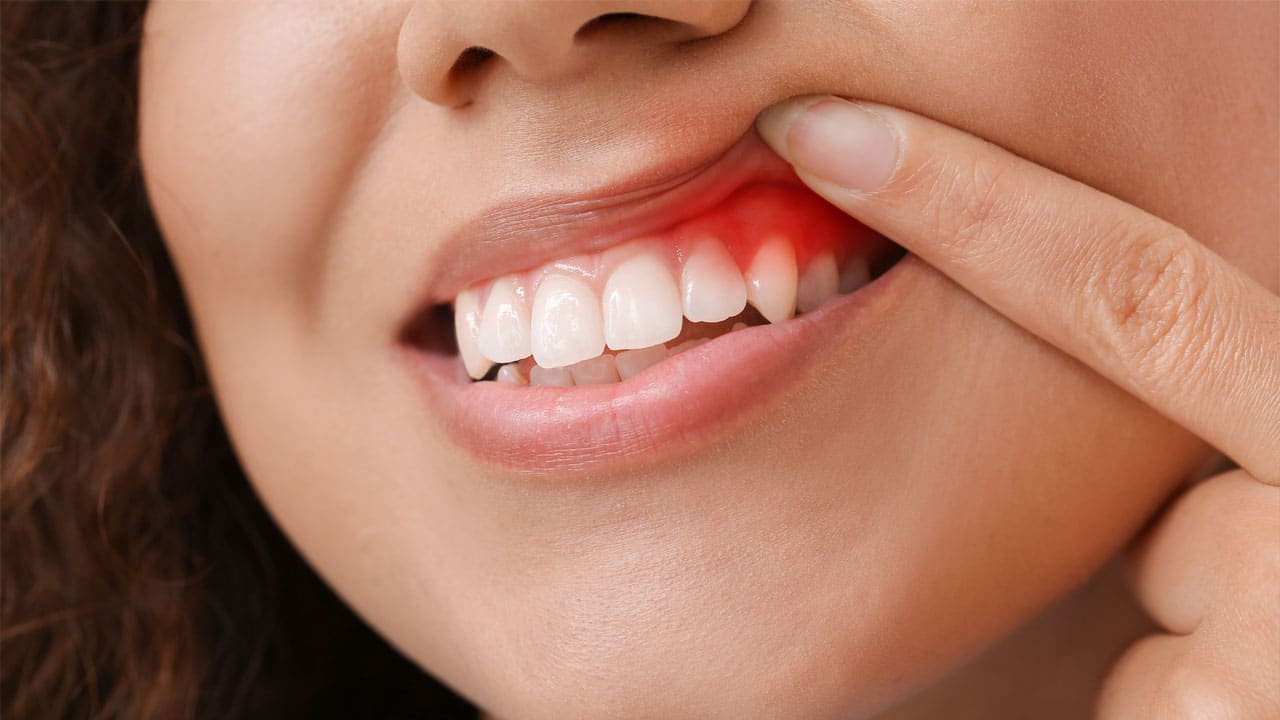
Periodontal disease, also known as gum disease, is a progressive infection of the gums caused by bacteria in plaque. It begins with inflammation of the gums and can progress to damage of the gums, jawbone, and ligaments that support the teeth. According…
Gum Disease Treatment Options for a Healthier Mouth
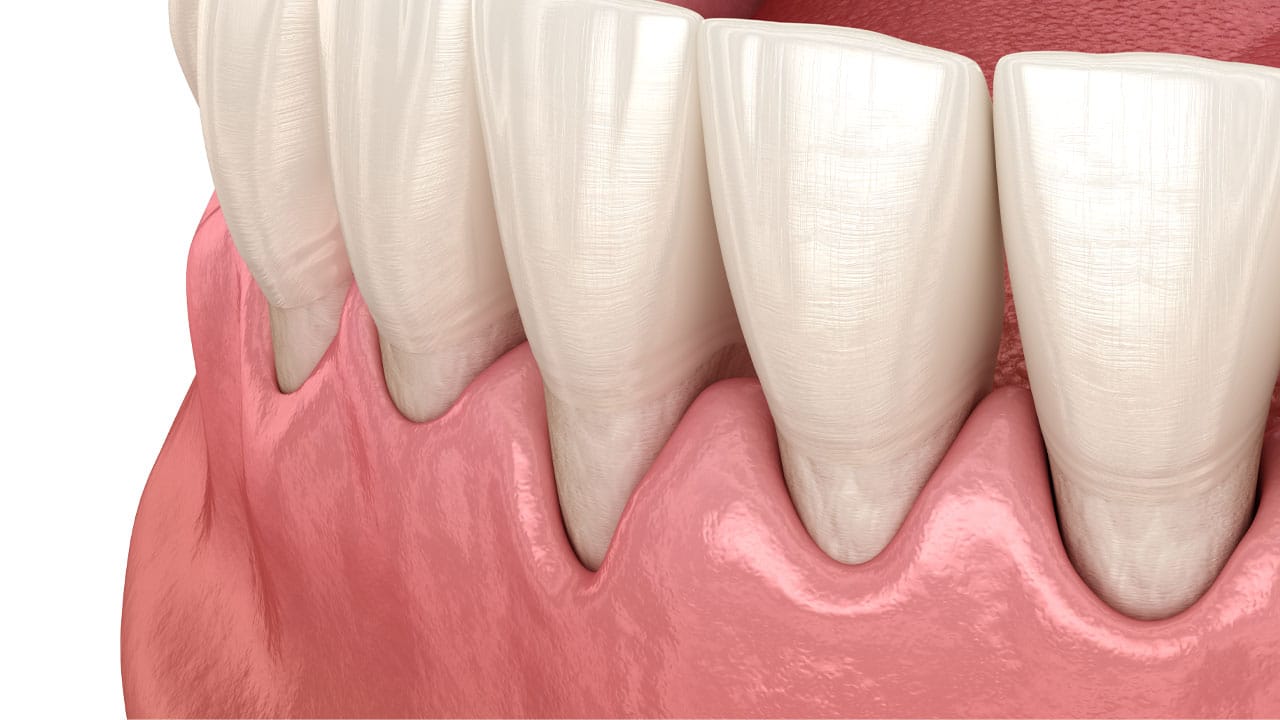
Gum recession is caused by numerous factors, such as gum disease, genetics, aggressive tooth brushing, bad dental hygiene, and teeth grinding. Gum recession is a common condition; approximately 50% of people between the ages of 18 and 64 experience gum recession, which…
