

How Long Does Invisalign Take to Work?
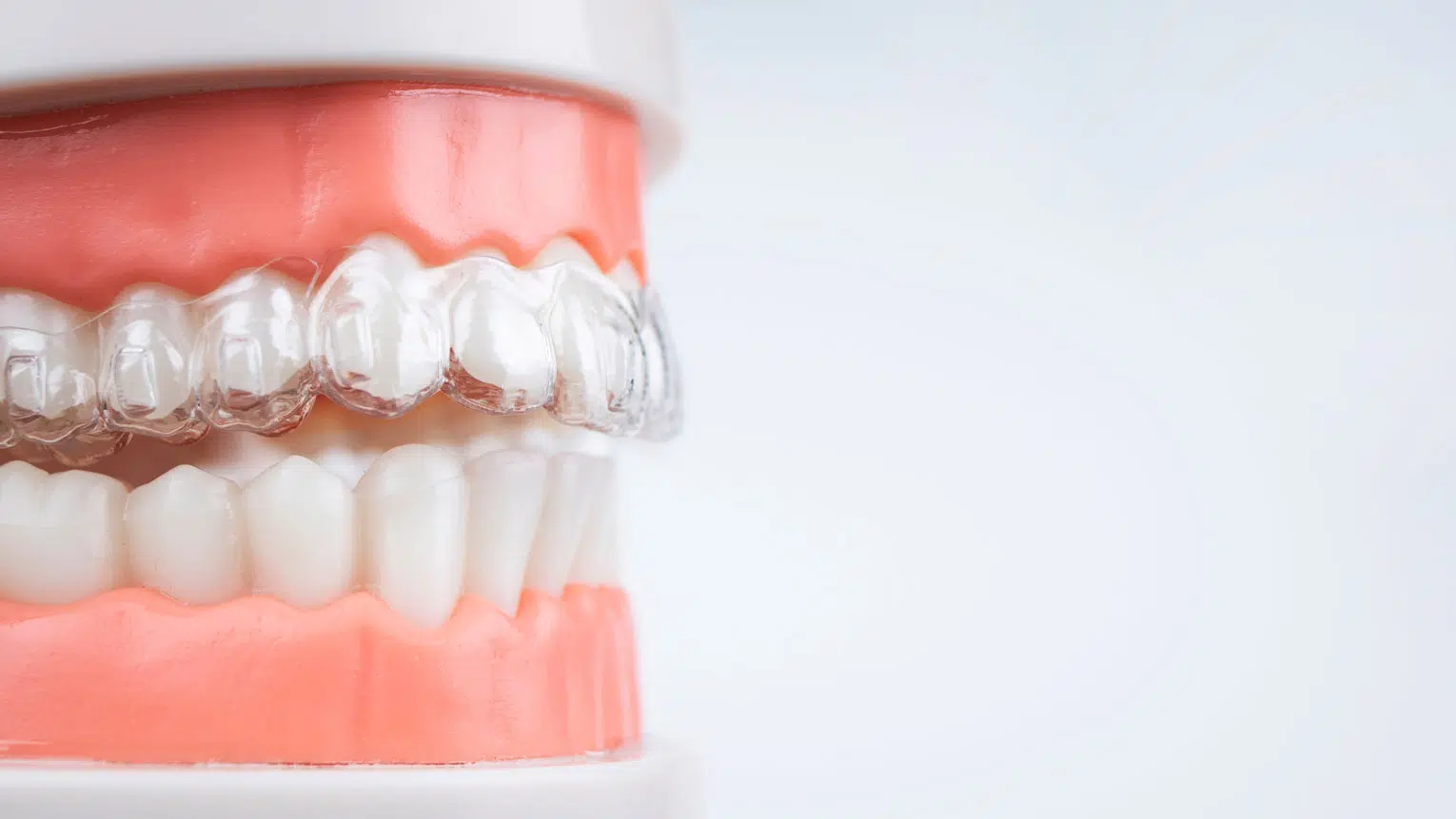




Most patients wonder how long does Invisalign take when considering clear aligner treatment. The answer varies significantly based on individual factors and treatment complexity.
We at Aurora Dental Group see treatment times ranging from 6 months for minor corrections to 24 months for complex cases. Understanding your specific timeline helps set realistic expectations for your smile transformation journey.
How Long Will Your Treatment Actually Take
Most Invisalign patients complete their treatment within 22.8 months, with this timeframe representing the average duration for optimal results. Minor spacing issues or slight crowding typically resolve in 6 to 8 months, while complex cases involving severe misalignment, overbites, or crossbites extend to 18 to 24 months. Patients with moderate crowding use 20 to 26 aligner trays and generally finish treatment in 10 to 14 months, switching trays every 1 to 2 weeks as their orthodontist directs.
Treatment Speed Compared to Traditional Braces
Invisalign consistently outperforms traditional braces in treatment duration, averaging 12 months compared to 22 months for metal braces according to orthodontic studies. This 50% reduction in treatment time stems from advanced SmartForce technology and precise digital treatment planning (using iTero 3D scanners for accurate impressions). Younger patients see even faster results due to developing bone structure, while adults experience slightly longer timelines because of denser bone tissue that resists tooth movement.
Key Factors That Determine Your Timeline
Patient compliance drives treatment success more than any other factor – patients must wear aligners daily without exception to accelerate progress significantly. Age impacts speed substantially, with teenagers completing treatment faster than adults due to ongoing jaw development. Severe overcrowding or heavily protruding bites can extend treatment beyond 2 years, while excellent oral hygiene prevents delays from dental complications that require additional procedures before continuing aligner therapy.
What Happens When Treatment Takes Longer
Complex orthodontic cases sometimes require refinement aligners (additional trays beyond the initial set) to achieve perfect results. Patients who skip appointments or delay check-ups add unnecessary time to their overall treatment duration. Poor compliance with the daily wear requirement can extend treatment by several months, as teeth fail to move according to the planned timeline. Proper care of your Invisalign aligners helps ensure treatment stays on track.
The next phase of your Invisalign journey involves understanding what specific factors will influence your personal treatment timeline.
What Makes Your Treatment Faster or Slower
Your specific orthodontic condition determines treatment speed more than any marketing promise or general timeline. Mild crowding responds within 6 to 8 months with 14 to 20 aligners, while severe malocclusions with overbites or crossbites require 18 to 24 months and up to 40 aligners. Diastema cases with significant gaps combined with crowding push treatment to 18 months because teeth must move greater distances. Complex rotations and severely tilted teeth demand additional refinement aligners beyond the initial treatment plan, which extends timelines by 3 to 6 months.
Daily Wear Compliance Determines Success
Only 36% of patients show full compliance with wear time recommendations of 22 hours daily. Patients who skip just 2 hours daily extend their 12-month treatment to 16 months because teeth lose momentum and require additional time to reach target positions. Those who remove aligners frequently for meals or social events see treatment delays of 4 to 8 months according to orthodontic compliance studies. Patients who switch aligners precisely every 1 to 2 weeks maintain optimal pressure on teeth, while delayed changes slow progress significantly.
Age and Bone Density Impact Movement Speed
Teenagers complete identical cases 30% faster than adults because their jaw structure continues to develop and allows easier tooth movement. Adults over 40 experience slower progress due to denser bone tissue that resists repositioning forces (often requiring 6 additional months for complex cases). Bone density decreases treatment efficiency in older patients, which makes 18-month adult cases potentially extend to 24 months. Younger patients benefit from ongoing jaw development that naturally supports orthodontic movement, while mature bone structure in adults requires more time and pressure to achieve similar results.
Oral Health Status Affects Timeline
Patients with excellent oral hygiene before treatment start see faster results because healthy gums and teeth respond better to aligner pressure. Poor dental health prior to treatment may require additional procedures that delay Invisalign start dates by several weeks. Gum disease or tooth decay must be addressed first, which can postpone treatment and affect overall timeline expectations (adding 2-4 months to the process).
Your treatment progress becomes visible through specific signs that indicate aligners work effectively on your teeth.
How Do You Know Invisalign Is Working
Patients notice their first visible changes within 2 to 3 weeks of treatment start, with teeth shifting position and slight gaps appearing between previously crowded teeth. Early signs include looser-fitting aligners after the first week, which indicates teeth have moved to accommodate the new tray shape. Most patients experience mild pressure and discomfort when they switch to new aligners, which signals active tooth movement and confirms the treatment progresses correctly. Within the first month, 83% got used to their aligners according to patient adaptation studies.
Track Progress Through Monthly Milestones
Patients see significant spacing improvements by month 2, with crowded front teeth showing visible separation and straighter positioning. Month 3 brings noticeable bite changes as back teeth begin to align properly, while month 6 typically marks the halfway point where major rotations and tilting corrections become apparent. Patients who use 14 to 26 aligners notice dramatic changes around tray 12 to 15, with teeth appearing straighter and gaps closing substantially. Monthly progress photos taken from the same angle reveal subtle changes that patients might miss in daily mirror checks (providing concrete evidence of treatment effectiveness).
Monitor Success Through Physical Changes
Aligners fit progressively tighter at the start of each new tray cycle, then loosen within 3 to 5 days as teeth move into position. Patients experience decreased pressure and discomfort with each subsequent aligner change, which indicates teeth adapt more easily to planned movements. Orthodontics can contribute to speech improvement by correcting dental and jaw alignment, enhancing articulation and overall communication skills. Bite function improves gradually, with patients reporting better chewing efficiency and reduced jaw strain as treatment advances beyond the 6-month mark (especially for complex cases requiring longer treatment periods).
Document Changes With Photos
Take weekly photos from identical angles to capture subtle movements that daily observation might miss. Front-facing photos reveal spacing changes and rotation corrections, while side profile shots document bite improvements and jaw alignment progress. Compare photos monthly to see cumulative changes that demonstrate treatment effectiveness over time.
Final Thoughts
Most patients complete Invisalign treatment within 12 to 18 months, though timelines range from 6 months for minor corrections to 24 months for complex cases. Your success depends heavily on consistent aligner wear for 22 hours daily without exception. Patients who maintain this schedule see results 50% faster than those with poor compliance.
Age affects treatment speed significantly, with teenagers completing identical cases 30% faster than adults due to developing bone structure. Adults over 40 may need additional months because denser bone tissue resists tooth movement. Contact your orthodontist immediately if aligners stop fitting properly or if you notice no visible progress after 3 months (these signs indicate potential issues requiring treatment plan adjustments).
We at Aurora Dental Group provide Invisalign treatment with personalized care to help patients achieve their smile goals. Dr. Anthony Glorioso and our team work with patients to address questions about how long does Invisalign take for their specific case. Schedule a consultation to discuss your treatment timeline and start your smile transformation journey.
Meet the Author

Dr. Anthony Glorioso
Dr. Glorioso provides general and cosmetic dentistry with a focus on comfort and helping patients feel confident in their smiles.
Meet Dr. GloriosoRelated Posts
How Long Does Invisalign Take to Work?
Explore the benefits of Invisalign for a clearer smile. Discover how this treatment aligns teeth comfortably and effectively without traditional braces.
How Long Does Invisalign Take to Work?
Clean Invisalign aligners effectively with easy steps. Learn optimal cleaning techniques, practical tips, and tools for maintaining clear aligners daily.

How Long Does Invisalign Take to Work?
Explore how Invisalign can effectively treat teeth crowding. Straighten your smile with confidence and comfort.
